
Basestation testing and configuration ahead of glacier testing
Following months of development of the individual sensing, communications and power systems, our latest Ryme Basestation is now fully integrated and entering its final phase of testing ahead of deployment in glacial environments.
The Basestation has been designed as an autonomous platform for collecting environmental and ice data in remote polar regions. The latest prototype brings together the custom electronics, satellite communications, positioning, sensing and power-management technologies developed by the Ryme team into a single compact system.
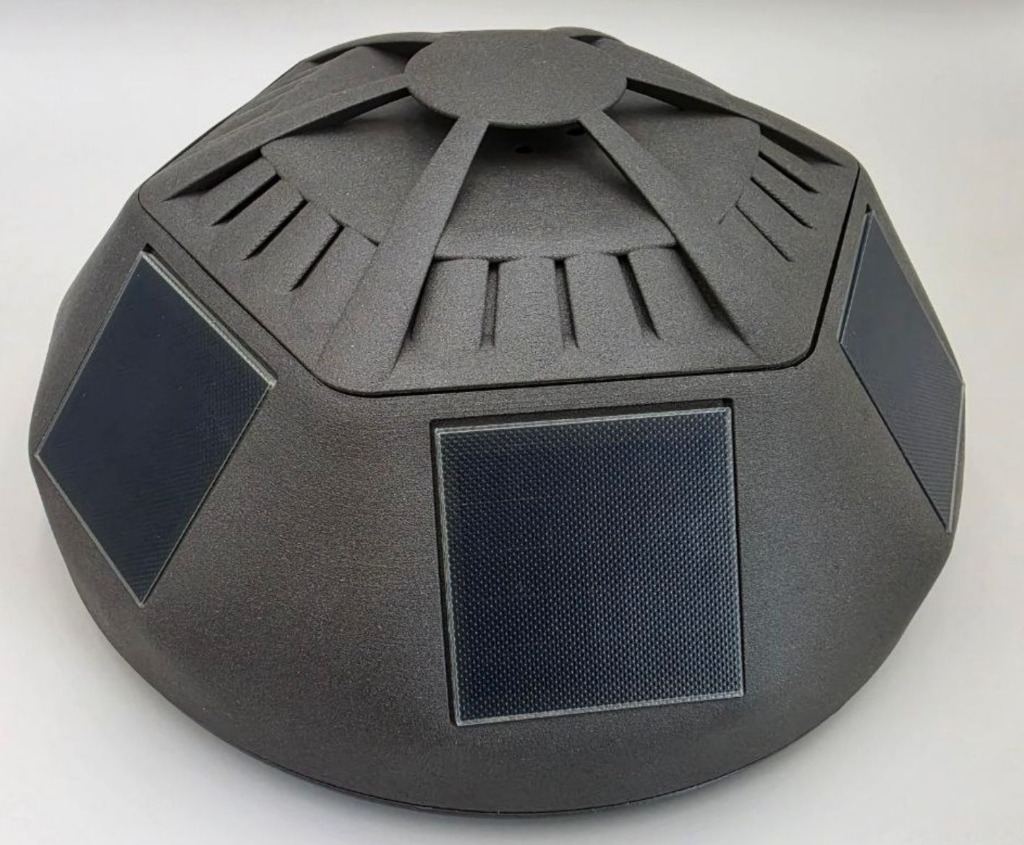
A key challenge has been fitting these systems into a platform that can operate autonomously for extended periods in a harsh environment. Solar panels integrated around the exterior provide power during deployment, while the internal architecture houses our custom electronics, batteries, communications hardware and sensing systems. The electronics have been designed around a modular architecture, allowing individual systems to be accessed, tested and replaced without redesigning the entire platform. Over recent weeks, the team has been assembling the final hardware, configuring the different subsystems and testing how they operate together as a complete Basestation.
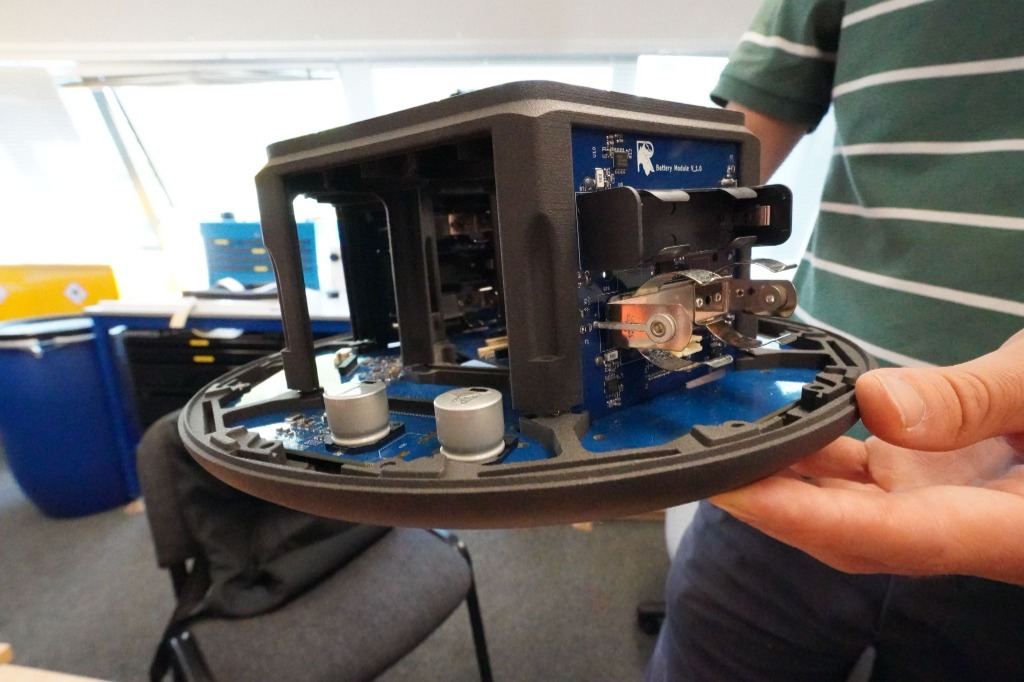
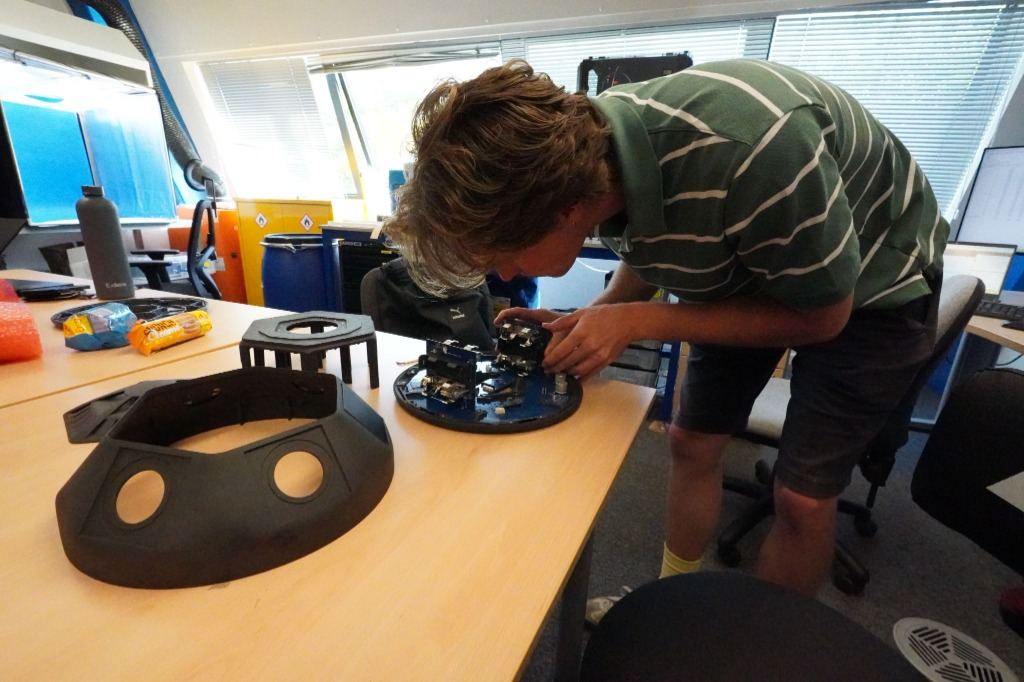
With the hardware now integrated, our focus has shifted from development of individual components towards testing the complete end-to-end system. This includes power generation and battery management, GNSS positioning, sensing, onboard electronics and the communications chain required to return data from remote locations.
The latest prototype has been undergoing outdoor testing in Nottingham, allowing the team to evaluate autonomous operation outside the laboratory and identify any final hardware or software changes required before taking the system onto the ice.
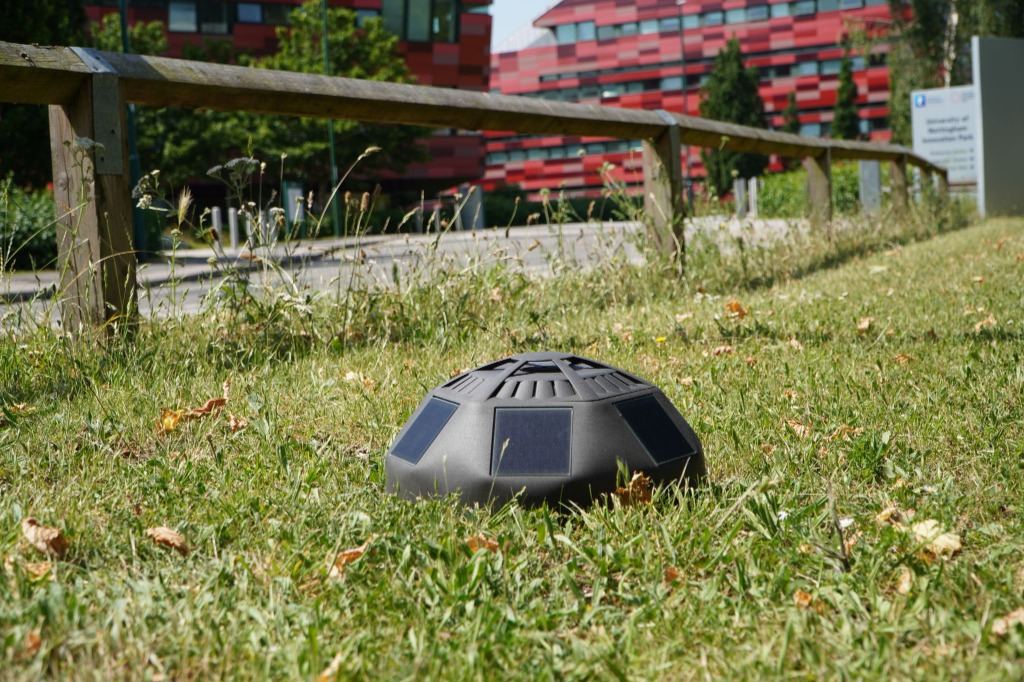
These tests represent an important transition for the project. The sonar, custom circuit boards, communications hardware, power systems and mechanical platform that have been developed individually are now operating together within a single autonomous device.
We are now preparing for field testing on the Zugspitze in Germany, where the system will undergo its first tests on a real glacier. Testing in this environment will allow us to evaluate the complete chain of operation under realistic conditions: deployment on ice, power management, sensing, positioning, autonomous data collection and remote communications. It will also provide our first opportunity to understand how the integrated mechanical and electronic systems perform when exposed to the practical challenges of operating on a glacier. The results will feed directly into the next iteration of the technology ahead of deployment in Greenland as part of the ICEBERG project.
For the Ryme team, this represents a major milestone. What began as individual sensors, circuit boards and mechanical concepts has now developed into a complete autonomous platform ready to leave the laboratory.